Quick summary
- The Olympians are the gods who ruled the world from Mount Olympus after Zeus and his siblings defeated the Titans.
- The usual twelve: Zeus, Hera, Poseidon, Demeter, Athena, Apollo, Artemis, Ares, Aphrodite, Hephaestus, Hermes, and Hestia or Dionysus.
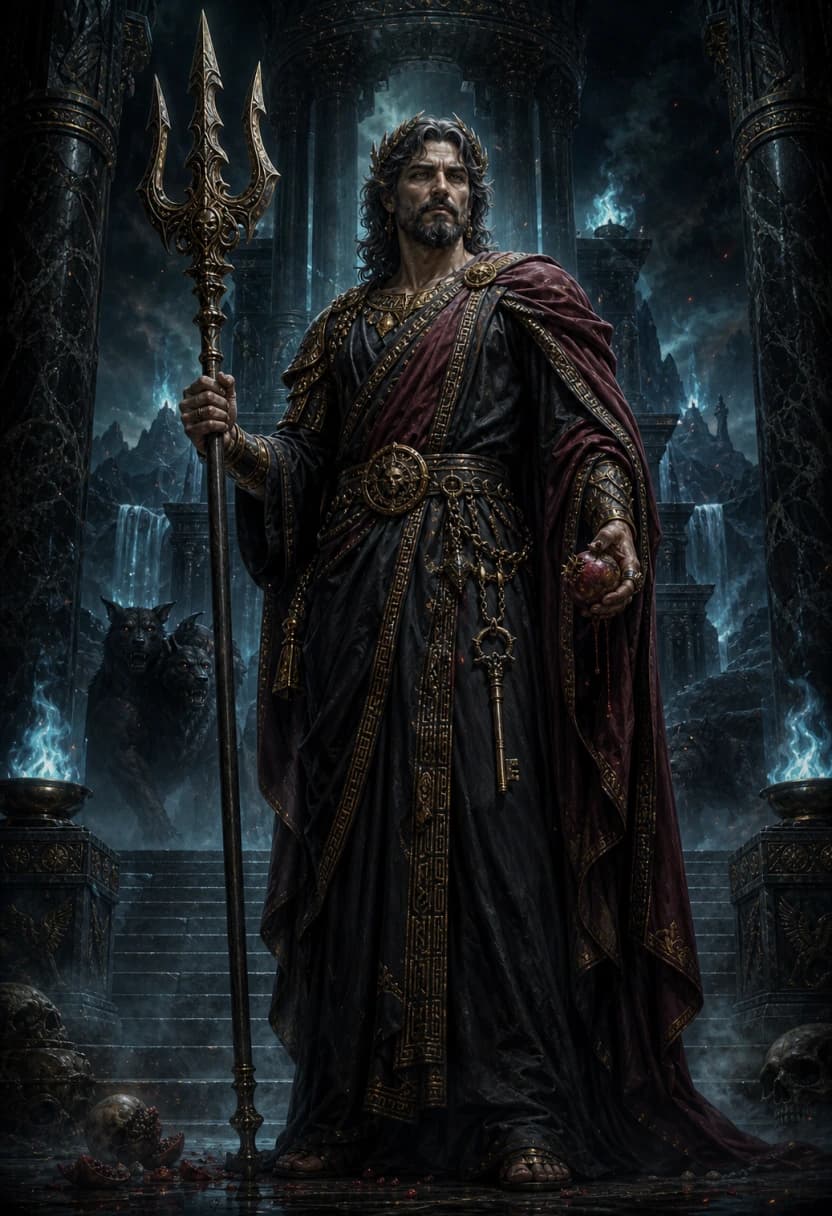
- Hades is a child of Cronus like Zeus, but he lives below the earth, so he is rarely counted among the Twelve.
The Olympian gods are the generation of Greek gods who took power after Zeus and his siblings overthrew the Titans, and who ruled the world from their palaces on Mount Olympus. The Greeks usually spoke of the Twelve Gods, but they never fixed a single list: the core is always Zeus, Hera, Poseidon, Demeter, Athena, Apollo, Artemis, Ares, Aphrodite, Hephaestus and Hermes, with the twelfth seat going to either Hestia or Dionysus.
The twelve Olympians
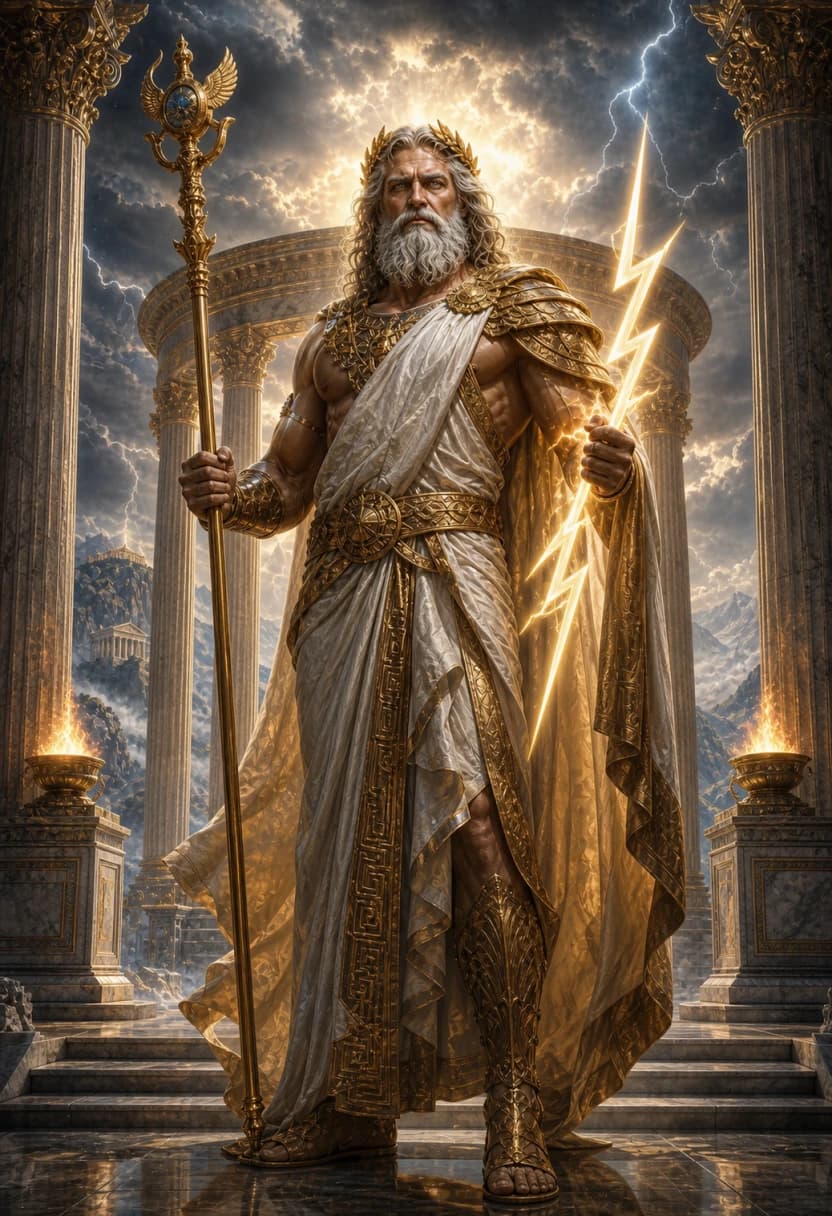
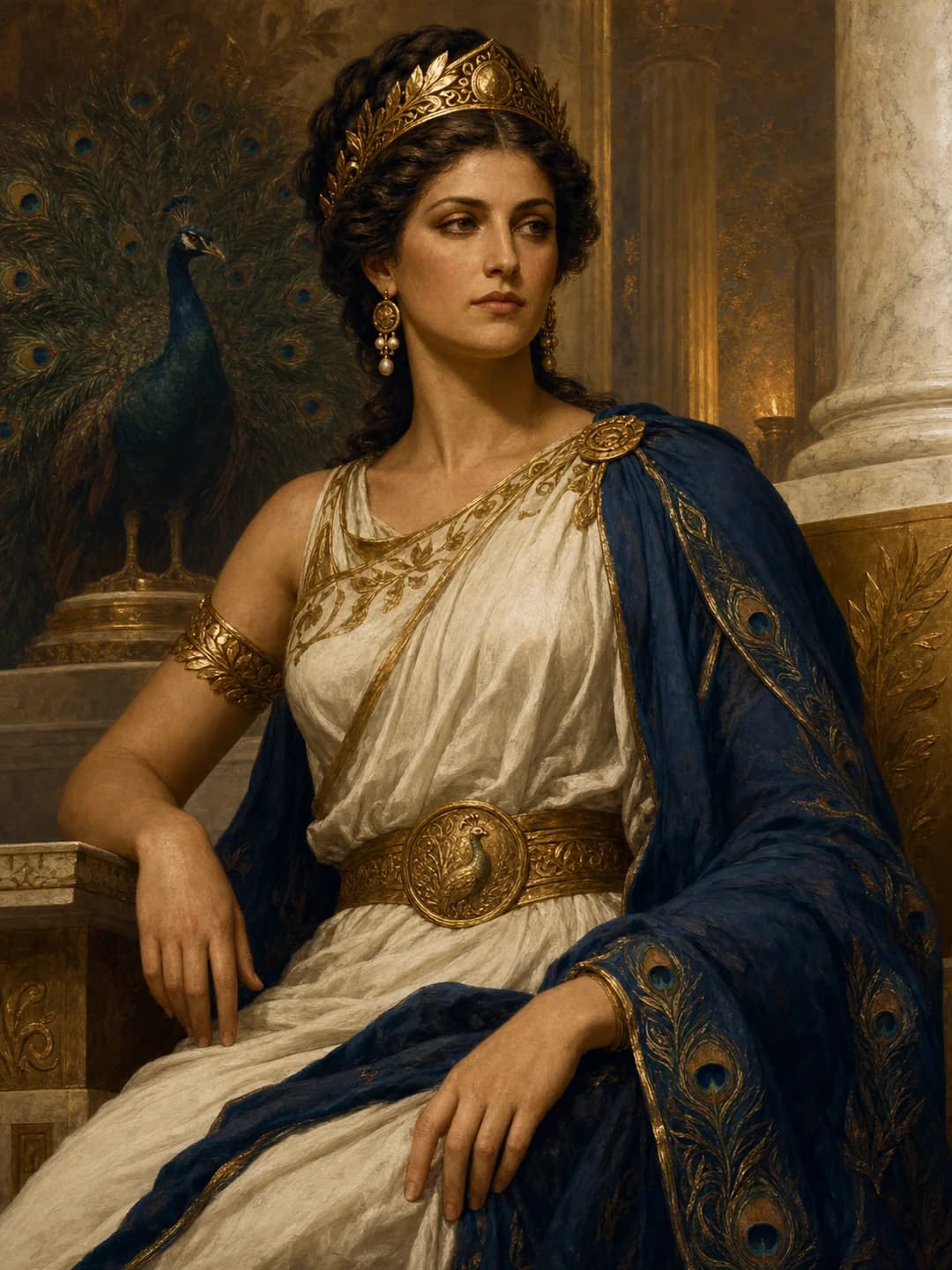
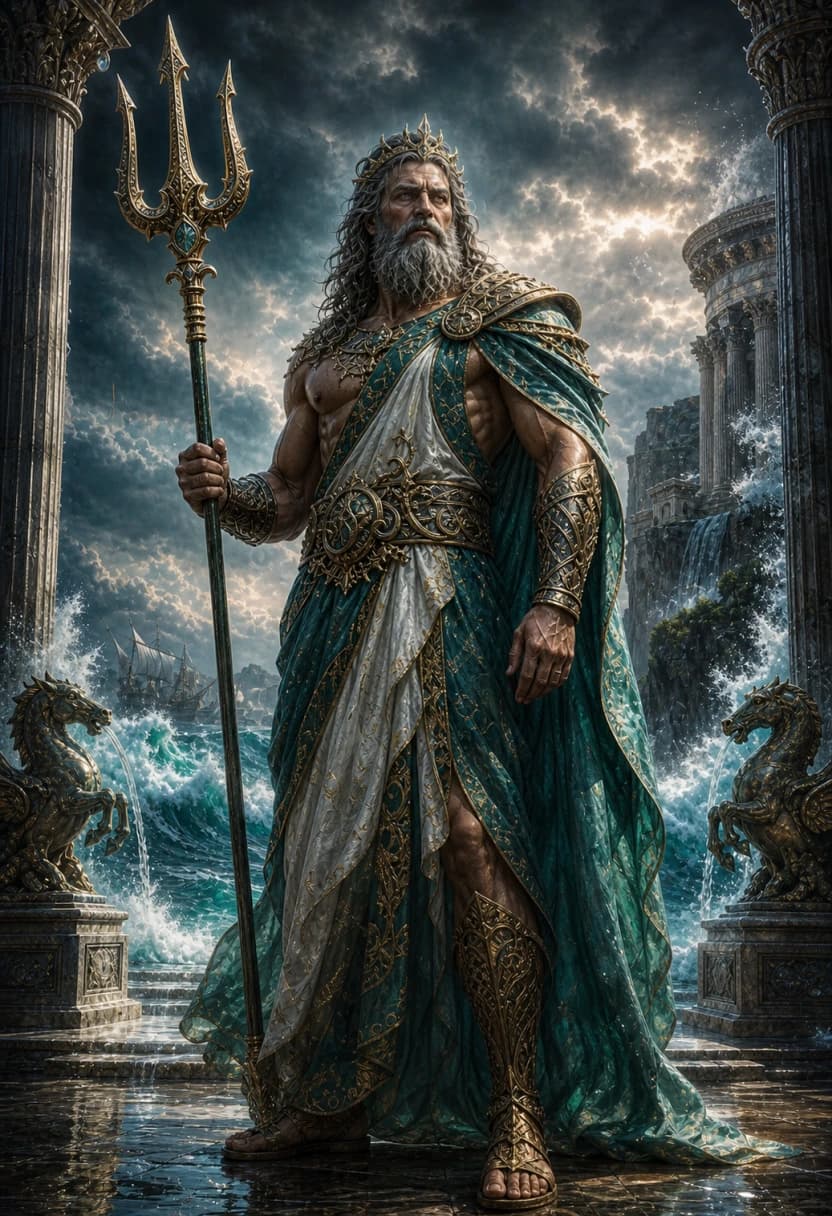
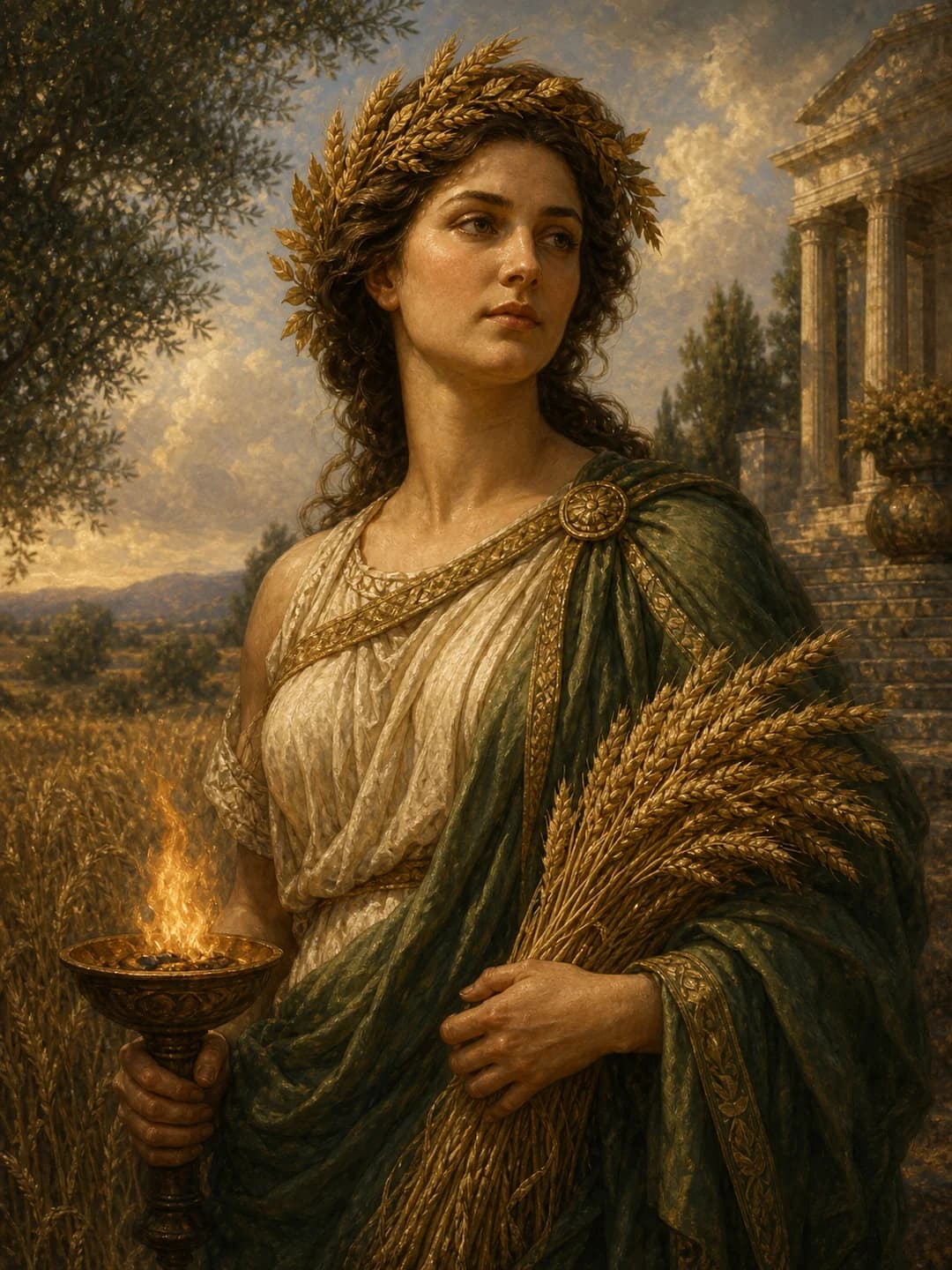
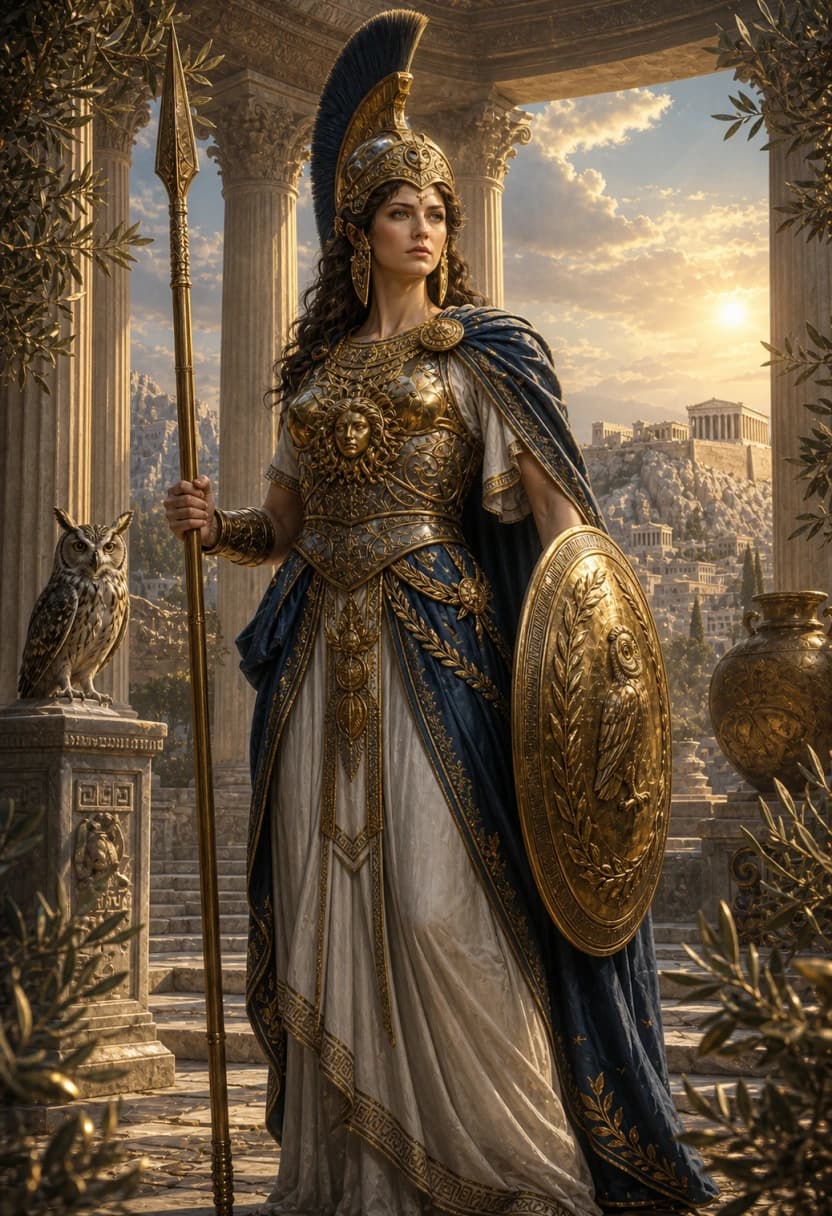
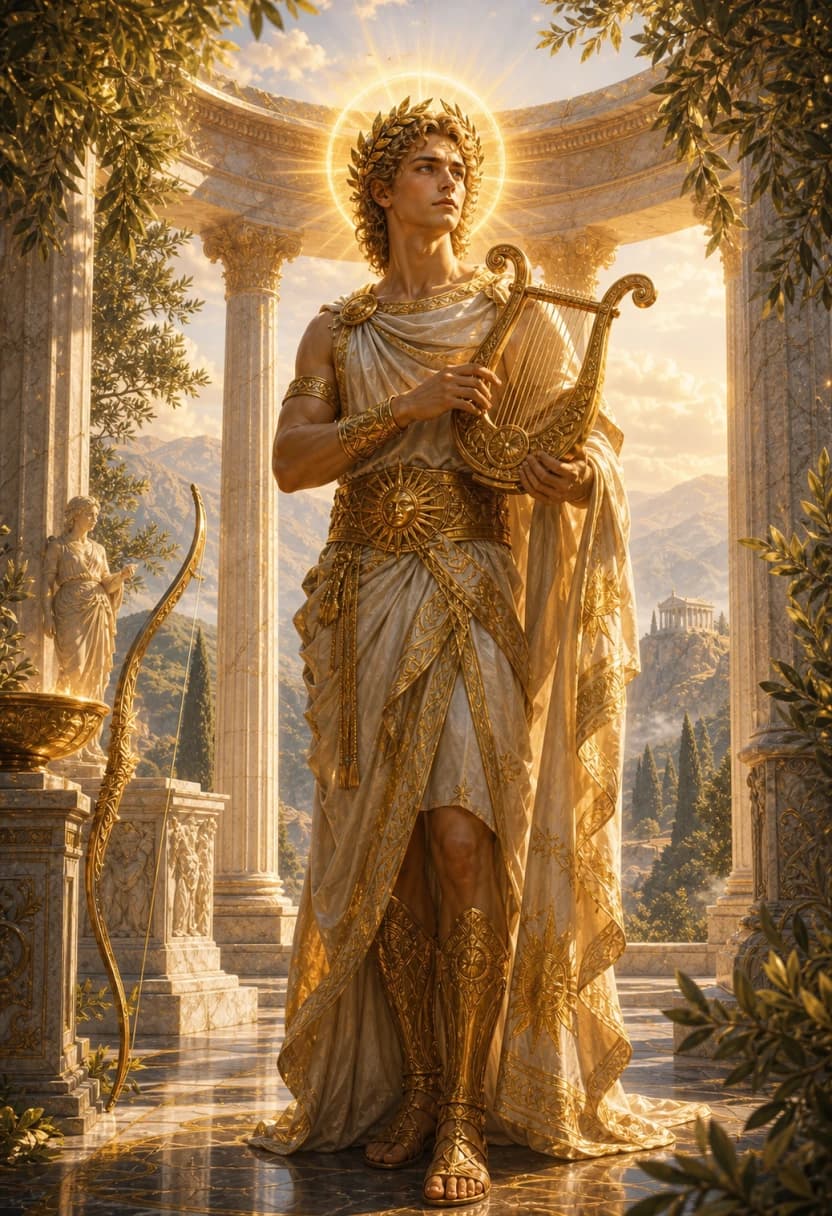

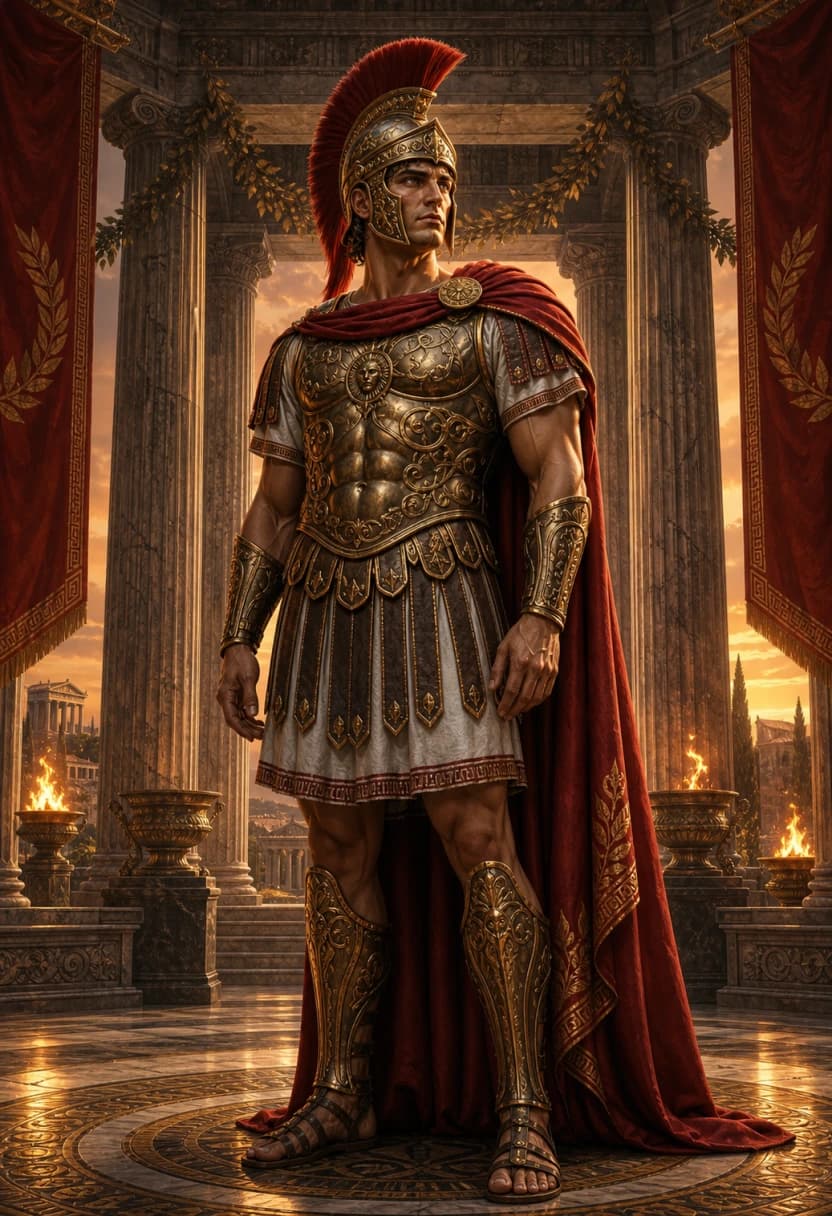
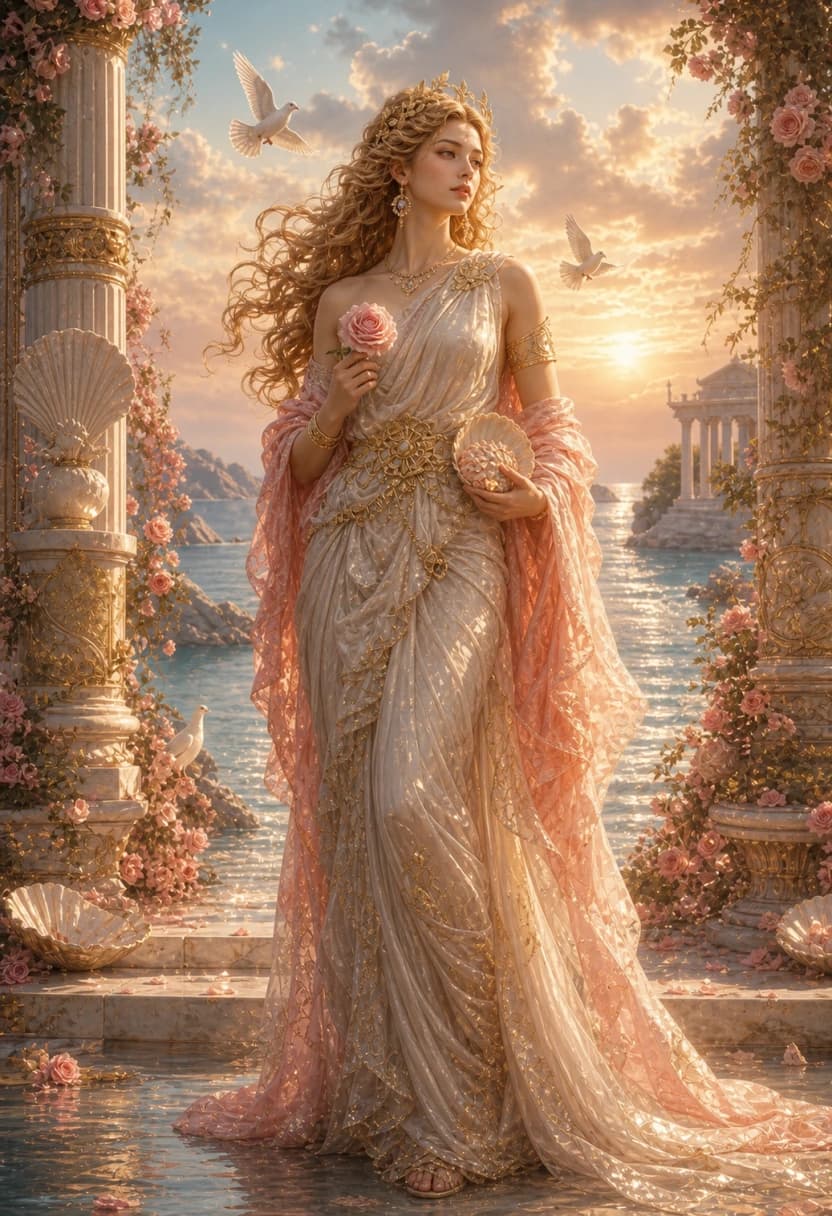
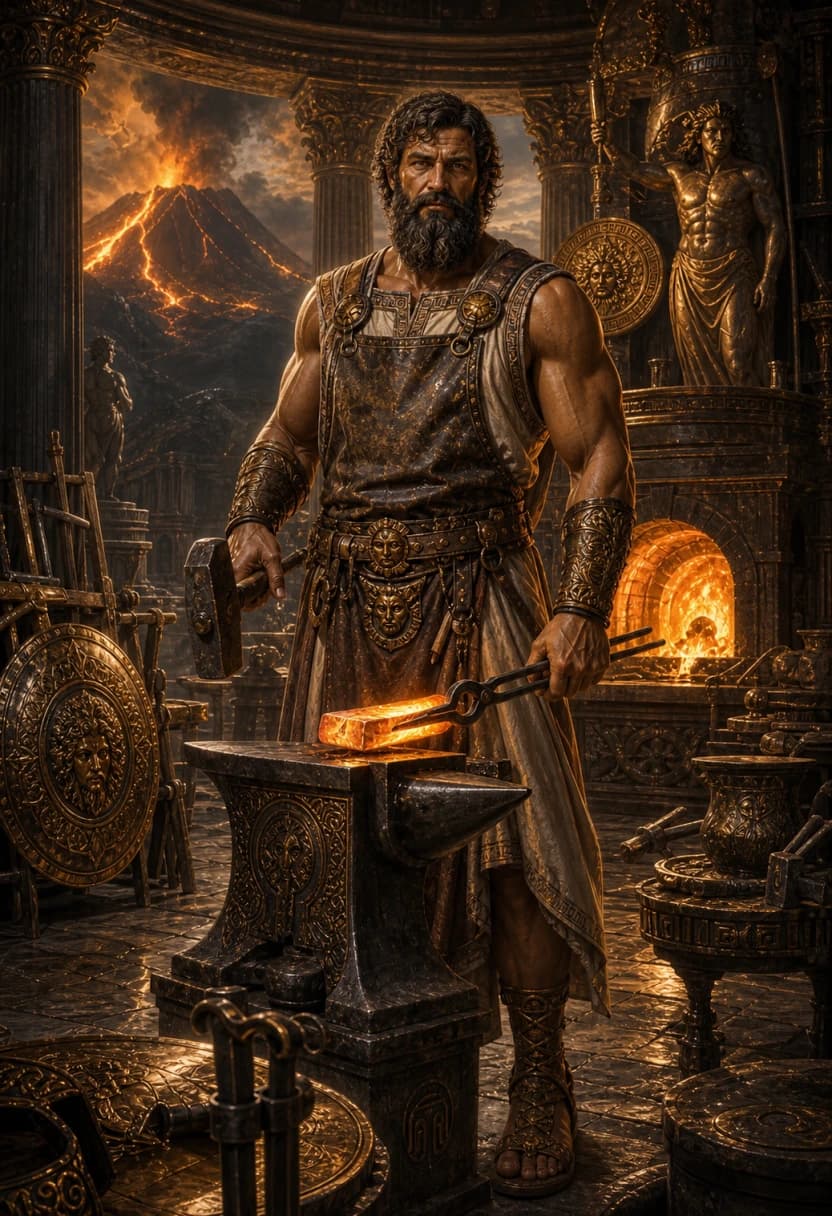
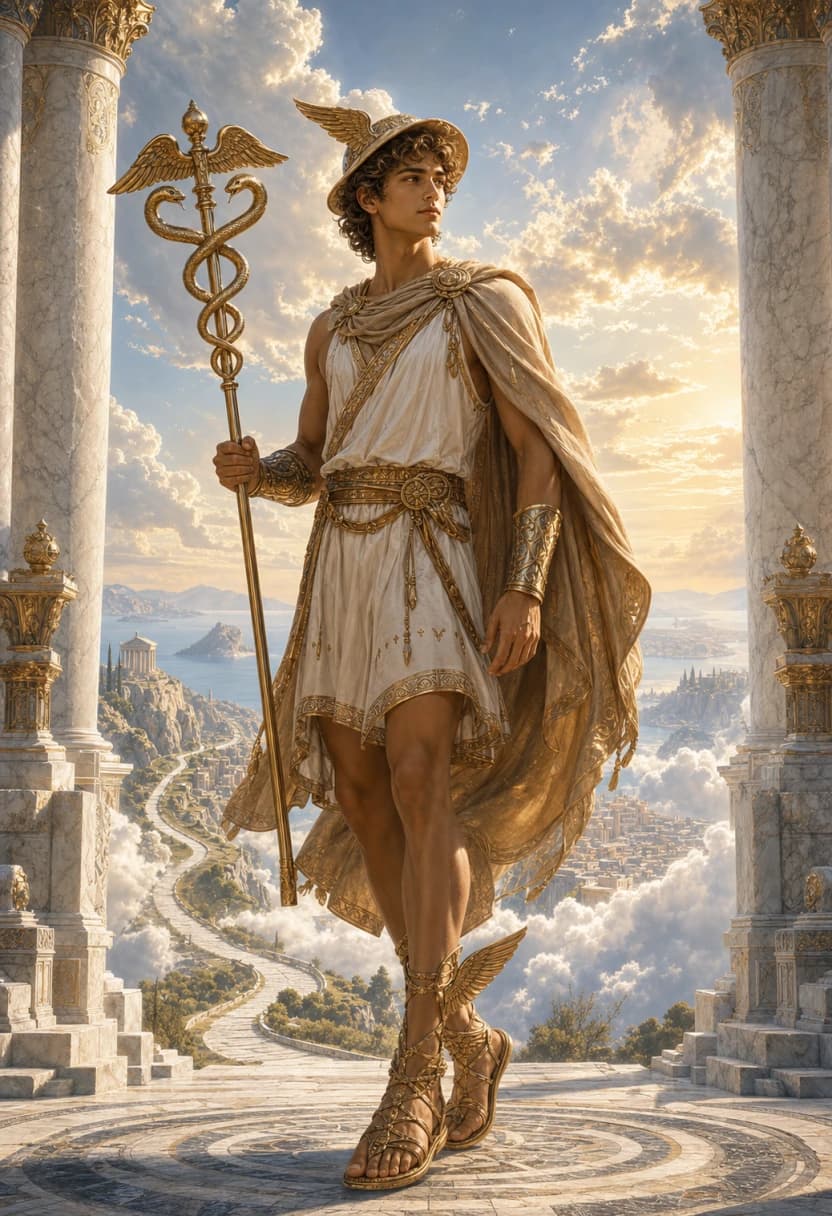
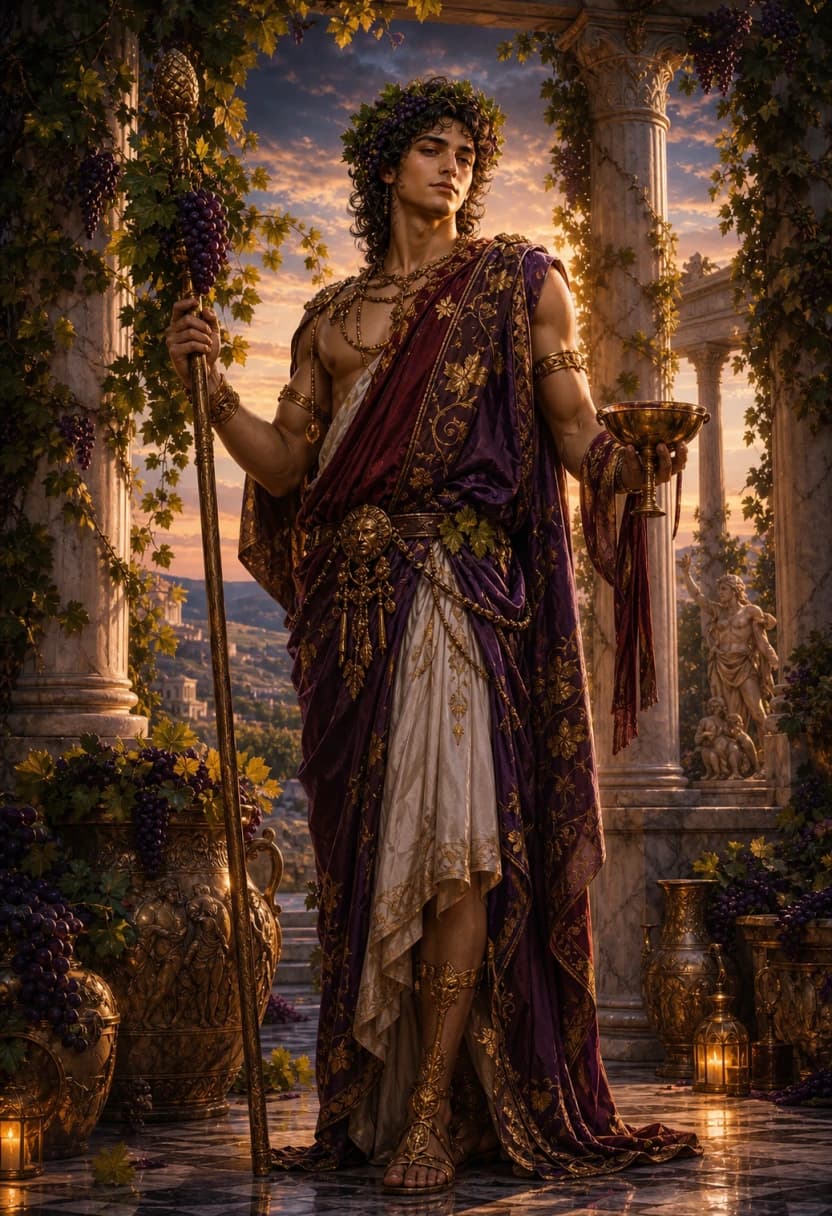
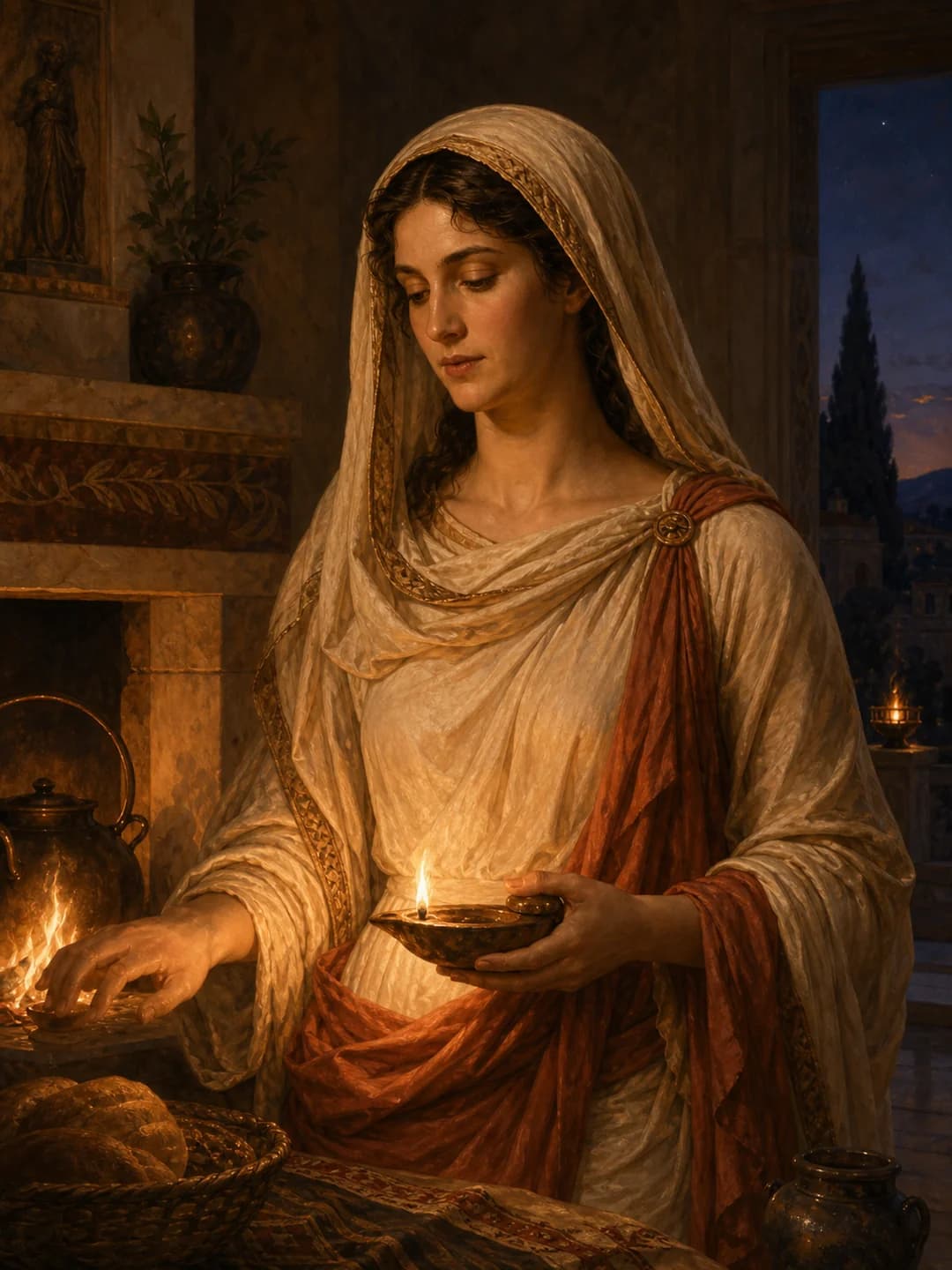
Who are the 12 Olympian gods?
There was no official roster, but the ancient lists overlap heavily. The east frieze of the Parthenon in Athens shows twelve seated gods with Dionysus among them and Hestia absent. Plato's Phaedrus, by contrast, imagines the gods riding out in procession while Hestia alone stays home in the house of the gods. Rome's twelve Dii Consentes, listed in a couplet by the poet Ennius, include Vesta (Hestia) and leave out Bacchus (Dionysus).
A popular modern story says Hestia gave up her throne to make room for Dionysus. No ancient text tells it.
Why isn't Hades an Olympian?
Hades is as senior as Zeus: both are sons of Cronus and Rhea. In Homer's Iliad, Poseidon explains that the three brothers drew lots for the world, and Zeus won the sky, Poseidon the sea and Hades the misty dark below. Earth and Olympus were left common to all. Hades rules from the underworld rather than from the mountain, which is why lists of the Twelve leave him out. His queen Persephone spends part of each year above ground with her mother Demeter, but she is not counted either.
How did the Olympians come to power?
In Hesiod's Theogony, Cronus swallowed his children as they were born, until Rhea hid the infant Zeus on Crete. Once grown, Zeus forced his father to bring up the others, then led them in a war against the Titans that lasted ten full years. With the help of the Cyclopes and the Hundred-Handers, the gods won and imprisoned the Titans in Tartarus. The younger Olympians are mostly Zeus's children: Athena, Apollo, Artemis, Ares, Hermes, Dionysus and, in Homer's version, Hephaestus and Aphrodite.
Did the gods really live on Mount Olympus?
In myth, yes. Mount Olympus, on the border of Thessaly and Macedonia, is the highest mountain in Greece at about 2,900 meters. Homer describes the gods returning each evening to the houses that Hephaestus built for them on its peak, feasting on nectar and ambrosia. Worship happened everywhere else: in Athens, an altar of the Twelve Gods stood in the Agora, and Thucydides records that it was set up by a grandson of the tyrant Peisistratus.
What did each Olympian rule?
Each one held a share of the world and of human life: the sky, the sea, marriage, the harvest, war, love, craft, travel and wine. For a side-by-side look at their powers and who was strongest, see Greek gods and their powers. For their Roman names, see Greek vs Roman gods.
In the sources
- Hesiod, Theogony — the birth of the Olympians, the swallowing by Cronus and the war against the Titans.
- Homer, Iliad — the division of the world by lot, the gods' houses on Olympus and their quarrels over Troy.
- Plato, Phaedrus — the procession of the gods with Hestia left at home.
- Thucydides, History of the Peloponnesian War — the altar of the Twelve Gods in Athens.
Where the sources disagree: whether the twelfth seat belongs to Hestia or Dionysus, and whether Aphrodite and Hephaestus are Zeus's children (Homer) or not (Hesiod, who has Aphrodite born from the sea and Hera bear Hephaestus alone).
Frequently asked questions
Who are the 12 Olympian gods?
Zeus, Hera, Poseidon, Demeter, Athena, Apollo, Artemis, Ares, Aphrodite, Hephaestus and Hermes, plus either Hestia or Dionysus. Ancient lists differ on the twelfth.
Is Hades one of the Olympians?
Usually not. He is Zeus's brother, but he rules the underworld and lives there instead of on Mount Olympus.
Who is the youngest Olympian?
Dionysus, the son of Zeus and the mortal Semele, is usually treated as the last god to join the Olympians.
Who is the oldest Olympian?
Hestia, the first child Cronus swallowed. Because he brought his children back up in reverse order, she is also called the youngest.
Where did the Olympian gods live?
In myth, in palaces built by Hephaestus on the peak of Mount Olympus, the highest mountain in Greece.
How did the Olympians defeat the Titans?
In Hesiod's Theogony, Zeus led his siblings in a ten-year war against the Titans and won with the help of the Cyclopes and the Hundred-Handers.
Keep exploring
Browse the gods by role in the Greek god of war, Greek god of love, Greek god of the sea and Greek god of death, trace every parent and child on the Greek gods family tree, or find your match in the which Greek god are you quiz.